Showing posts with label team. Show all posts

Tuesday, November 24, 2015

21 Success Tips for Young and Aspiring Entrepreneurs


Being successful often means learning from those who have already achieved their goals. Having a mentor is an amazing blessing to an entrepreneur, but not everyone can find one in person.
If you haven’t yet found your personal business guru, here are 21 tips for young or aspiring entrepreneur to help get you started.

1. Challenge yourself. 

Richard Branson says his biggest motivation is to keep challenging himself. He treats life like one long university education, where he can learn more every day. You can too!

2. Do work you care about. 

There’s no doubt that running a business take a lot of time. Steve Jobs noted that the only way to be satisfied in your life is to do work that you truly believe in.

3. Take the risk. 

We never know the outcome of our efforts unless we actually do it. Jeff Bezos said it helped to know that he wouldn’t regret failure, but he would regret not trying.

4. Believe in yourself.

As Henry Ford famously said, “Whether you think you can, or think you can’t, you’re right.” Believe that you can succeed, and you’ll find ways through different obstacles. If you don’t, you’ll just find excuses.

5. Have a vision. 

The founder and CEO of Tumblr, David Karp, notes that an entrepreneur is someone who has a vision for something and a desire to create it. Keep your vision clear at all times.

6. Find good people. 

Who you’re with is who you become. Reid Hoffman, co-founder of LinkedIn, noted that the fastest way to change yourself is to hang out with people who are already the way you want to be.

7. Face your fears. 

Overcoming fear isn’t easy, but it must be done. Arianna Huffington once said that she found fearlessness was like a muscle -- the more she exercised it, the stronger it became.

8. Take action. 

The world is full of great ideas, but success only comes through action. Walt Disney once said that the easiest way to get started is to quit talking and start doing. That’s true for your success as well.

9. Do the time. 

No one succeeds immediately, and everyone was once a beginner. As Steve Jobs wisely noted, “if you look closely, most overnight successes took a long time.” Don’t be afraid to invest time in your company.

10. Manage energy, not time.

Your energy limits what you can do with your time, so manage it wisely.

11. Build a great team. 

No one succeeds in business alone, and those who try will lose to a great team every time. Build your own great team to bolster your success.

12. Hire character. 

As you build your team, hire for character and values. You can always train someone on skills, but you can’t make someone’s values fit your company after the fact.

13. Plan for raising capital.

Richard Harroch, a venture capitalist, has this advice for upcoming entrepreneurs: “It’s almost always harder to raise capital than you thought it would be, and it always takes longer. So plan for that.”

14. Know your goals. 

Ryan Allis, co-founder of iContact, pointed out that having the end in mind every day ensures you’re working toward it. Set goals and remind yourself of them each day.

15. Learn from mistakes. 

Many entrepreneurs point to mistakes as being their best teacher. When you learn from your mistakes, you move closer to success -- even though you initially failed.

16. Know your customer. 

Dave Thomas, the founder of Wendy’s, cited knowing your customer as one of his three keys to success. Know those you serve better than anyone else, and you’ll be able to deliver the solutions they need.

17. Learn from complaints. 

Bill Gates once said that your most unhappy customers are your greatest source of learning. Let unhappy customers teach you where the holes in your service are.

18. Ask for customers’ input. 

Assuming what customers want or need will never lead to success. You must ask them directly, and then carefully listen to what they say.

19. Spend wisely. 

When you spend money on your business, be careful to spend it wisely. It’s easy to spend too much on foolish things and run out of capital too soon.

20. Understand your industry. 

Tony Hsieh, the founder of Zappos, once said, “Don’t play games you don’t understand, even if you see lots of other people making money from them.” Truly understanding your industry is key to having success.

21. Deliver more than expected.

Google's Larry Page encourages entrepreneurs to deliver more than customers expect. It’s a great way to get noticed in your industry and build a loyal following of advocates.
Being a successful entrepreneur takes a lot of work, a lot of vision and a lot of perseverance. These 21 tips, from entrepreneurs who have already found success, will help you navigate the path much more easily.
Sujan Patel

Thursday, July 16, 2015

6 Best Practices for Managing Unhappy Employees


Entrepreneur and CultureIQ are searching for the top high-performing cultures to be featured on our annual list. Think your company has what it takes? Click here to get started.
Leading a team isn’t easy, and it requires specific skills that not everybody has. Even if you have these skills in spades, at some point, you’ll find yourself faced with the challenge of dealing with an unhappy employee.
If you handle this well, you may be able to turn an unhappy performer into a star employee who just needed a little attention and care. If not, you could lose that same would-be star performer due to job dissatisfaction, or worse, find yourself facing legal action from a disgruntled employee.
While it’s rare for things to get that serious, it’s still important to protect yourself by learning the six best practices for managing unhappy employees.

1. Assess the situation thoroughly.

Though only a few letters different in spelling, assess and assume are two very different words. Before you jump to any conclusions, take the time to dig in and really find out what’s going on with the individual. Find out why they’re upset. They could be upset with you, their current job status or another member of the staff. It’s also possible that they are unhappy due to something unrelated to their time at work.
If the issue stems from something within your company, gather as much information as you can before deciding how to act. But even if it’s a lifestyle factor influencing your employee’s behavior, don’t ignore it just because it comes from outside your four walls. Use it as an opportunity to show them that they’re more than just a name on an HR folder.
Offering assistance, whether through a formal employee assistance program or other means, will build their loyalty to your company.

2. Don’t wait.

The best time to address the situation was yesterday. The second best time is today. The longer you wait to address the issue after it’s been identified, the more time it will have to fester, adding fuel to the fire. It may not be a fun-filled conversation, but it needs to happen sooner rather than later.
Additionally, after confronting the situation, it may be necessary to address the rest of the staff. If there is talk amongst your employees, nip rumors in the bud. A short, concise statement letting other employees know that a situation has been addressed can save you a lot of meeting time and HR heartache in the long run.

3. Privacy is key.

While the staff as a whole may need to be addressed after the situation is resolved, initially, it’s best to meet with the unhappy staff member one on one. This option not only protects you from the employee voicing their complaints for everyone else to hear, but also provides a perception of safety to the employee. They may be willing to disclose their real reason for unhappiness and a resolution may be reached in private, one that would not happen without the confidentiality found behind closed doors.
In addition, this privacy will protect both you and the employee legally. Thoroughly document the conversations you have with the employee, as well as the details of any resolutions you come to. Type up your notes, print them out and have the employee sign them to prevent “he said, she said” confusion from affecting your working environment in the future.

4. Cool is the best temperament.

Working in a hot office is uncomfortable, whether you’re referring to the temperature or to the level-headedness of the bosses. It’s more important than ever to keep your head on straight when handling an unhappy employee. If they begin to get upset, simply speak gently and allow them time to calm down. If the situation escalates, ask them kindly to remain professional.
If nothing seems to help, remove yourself from the situation and allow them space to express their anger privately, without you there. Employees who aren’t comfortable handling their emotions may need some time to process them alone before they’re able to come back and have a professional conversation.

5. It takes time.

As business professionals, we want to fix things immediately. While this is a great attitude to have overall, it doesn’t work in every situation. A quick turnaround in employee morale can really drive efficiency and productivity, but it isn’t always possible.
Keep in mind when dealing with an unsatisfied staff member that it may take more than one meeting to iron out the problem. If someone has been unhappy for a month, it may not be possible to bring the sunshine out from the rain in just an hour.
This can be frustrating to entrepreneurs who are used to moving quickly, but during these times, remember that you owe it to your company and your employee to continue to work through the situation.

6. Keep records.

Above and beyond all else, document your conversations, meetings and outcomes. This is for your safety and the employee’s, and it just might save you from a lawsuit. We all hope to resolve meetings with everyone wearing a genuine smile, clapping our hands and admiring our dedication as they tell us, “Thank you for everything you’ve done.” Productivity picks up, and everybody goes back to being one big happy working family.
Unfortunately, efforts to address and resolve the issues of unhappy employees don’t all end this way. Instead of a positive outcome, you may find yourself in the position of issuing a performance improvement plan or laying the groundwork for an eventual termination.
Whatever the case may be, make sure to keep records of any warnings given or actions taken. These records may be vital later if the employee takes legal action against your company. As a business owner and leader, it’s important to create and keep handy a number of different standardized human resources documents (such as a disciplinary action form) that you can pull from and use on an ongoing basis. Doing so will help you excel in tough situations where clear processes and documentation are key to bringing about change.
Not every job is right for everyone. Although it’s your job to coach and develop the employees who are the right fit, it’s equally your responsibility to recognize the ones who aren’t and figure out the best time to part ways. If you can’t save a disgruntled employee, it may be time to move on.
Have any other suggestions for handling unhappy employees? Share your experiences by leaving a comment below.
Sujan Patel

Thursday, March 26, 2015

3 Ways to Avoid the Leadership Mistakes That Undermine Your Team


My destination seemed easily within reach. I’d dropped off my rental car at the airport terminal. I was spending the night at an airport hotel because there weren’t any direct flights back to Denver that late in the evening.
I could see the hotel from the rental car lot. It wasn’t more than 500 yards away from where I was standing. It didn’t make sense to me to take the rental shuttle to the terminal then wait for the hotel shuttle to get to the hotel. It was right there. I started walking.
Bad idea. It was dark. Streets and sidewalks were icy and snow-packed. After 20 minutes of walking I came to a four lane main road with no crosswalks. I walked back to the rental car lot and waited - somewhat patiently - for the shuttle.
We all make mistakes. Some, like this one. are little and only result in inconvenience. Sometimes they are big mistakes with greater impact. Leaders make mistakes, too. When they make big mistakes, their employees see them and feel the impact of them. The four most damaging mistakes leaders when managing thier team are:
  • Inconsistent communication.
  • Lack of clarity of strategy and goals.
  • Poor accountability.
  • Rewarding competition instead of cooperation.
These mistakes erode trust between and among leaders and team members. They reinforce an “I win, you lose” dynamic. They create perceptions of unfairness. Ultimately, they cause team members to apply less discretionary energy to customers and goals.
I don’t think leaders realize they are making these mistakes. They are moving at the “speed of light” and are doing the best that they can. What leaders must do, though, is to periodically slow down and examine how their team is operating, not just how it’s performing. Here’s how leaders can do exactly that. These three steps can help leaders avoid making mistakes, boost clarity and trust, and get their team on track to aligned performance.

1. Focus.

Leaders must formalize their team’s organizational constitution, outlining their team or company’s present day purpose, values and behaviors, strategies and goals. With these agreements clear, leaders must then demonstrate these behaviors, praise aligned behaviors in others and redirect misaligned behaviors promptly. They need to communicate these expectations in a variety of ways, regularly, and live them in every interaction.

2. Connect.

Leaders need to open communication channels with a variety of players in their team or company. Seek out truth tellers who will “tell it like it is” when things are harder than they need to be. Create informal focus groups to engage a wide range of players on a frequent basis. Proactively communicate how plans, decisions, and actions align with the team’s organizational constitution.

3. Serve.

Great leaders see their primary responsibility as servant leaders who provide the direction, connection and support to help team members thrive in their roles. Serving others means you take blame and give credit (not the other way around). You remove employee frustrations everywhere you can. You praise and encourage both effort and accomplishment. You lovingly hold people accountable for their commitments. You delegate authority and responsibility to talented, engaged team members.
When leaders stop and listen to team members about the health of their team’s culture, leaders can refine their behaviors, guide team practices, and enable aligned performance and sanity in their business.
Try these techniques. Your team will appreciate the clarity, validation, and communication you provide. You’re going to be at work, anyway. You may as well do the right thing!
Chris Edmonds

Wednesday, August 27, 2014

There's Better Ways Of Working

4 Tweaks For a Healthier Team                                       Do Great Things, Have Fun Doing It

Getting stuff done together can be a rocky road. The trouble is, the model we were taught in school is most akin to the way that the military gets things done. As children we are taught that someone else is in charge and knows best, and you have to do what they say or get into trouble, and top-down hierarchy is replicated in most workplaces. Control, believing we’re right, bullying, blaming, selfishness. Otherwise nice people transform at 9am. All of us could do with developing our humility, empathy, kindness, and ability to shut up and listen.
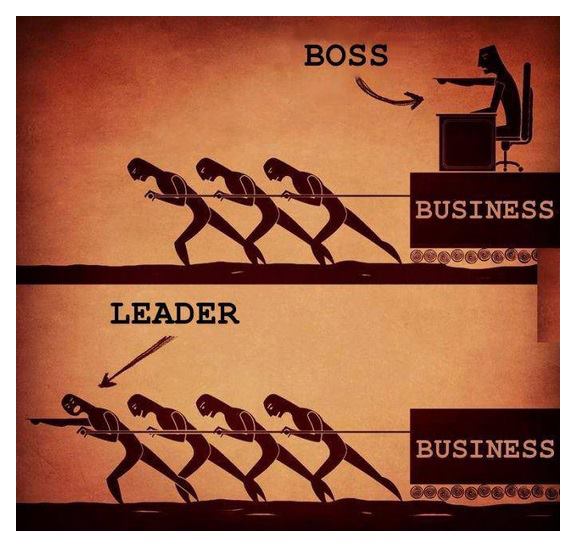
Boss vs LeaderBosses telling us what to do is pervasive, because to some extent it is effective. But it is also problematic. BlessingWhite’s 2011 Employee Engagement Report revealed 69% of people at work worldwide aren’t very engaged with 17% completely disengaged, while Towers Watson’s Health, Wellbeing and Productivity Survey 2012 found 98% of UK employees are impacted by stress. That is an enormous failure to harness more than a fragment of our capability, a colossal waste of potential.

To put it mildly, there’s better ways of working. The good news is that they’re not difficult, even (un)common sense. The difficult part is shifting habits, but the starting point is a desire to enjoy work and a curiosity about learning.
Transitioners are human, and many have experienced the challenges that humans usually experience when they try to get together to get anything done. But at its best Transition takes group health seriously, because it takes the job in hand seriously, albeit lightheartedly. And that means being serious about enjoying the journey, because enjoying what we do is productive.
An aeroplane is on the wrong course 90% of the time. Planes, like bicycles, permaculturists and smart people in smart organisations, use dynamic steering. I don’t mean charming and engaging, but actively responding to a changing environment in order to reach their target, although charming and engaging never go amiss. I find it reassuring that planes get to their destination most of the time, although I’ve personally made a no* flying pact due to Climate Change, so probably less planes flying would be a good thing.
So here’s some simple top tips to transform your work without much effort:
1) Know your destination, celebrate arriving and often.
2) Evaluate briefly at the end of every meeting, and periodically in your team. Appreciate what’s working, ask what could be improved. Correct your course, like steering a bicycle.
3) Take it in turns to speak briefly on a subject, everyone having a chance to say something and be listened to without discussion.
4) Replace blame and complaint with finding ways of enjoying more.

Time is short. Aim high. Have fun. 


By